- Home
- About us
- Travel StyleHidden Gems & Pilgrimages

- Rental Services
- News
- Contact



Pathivara Darshan: Why This Sacred Journey Is One of Nepal’s Most Powerful Travel Experiences
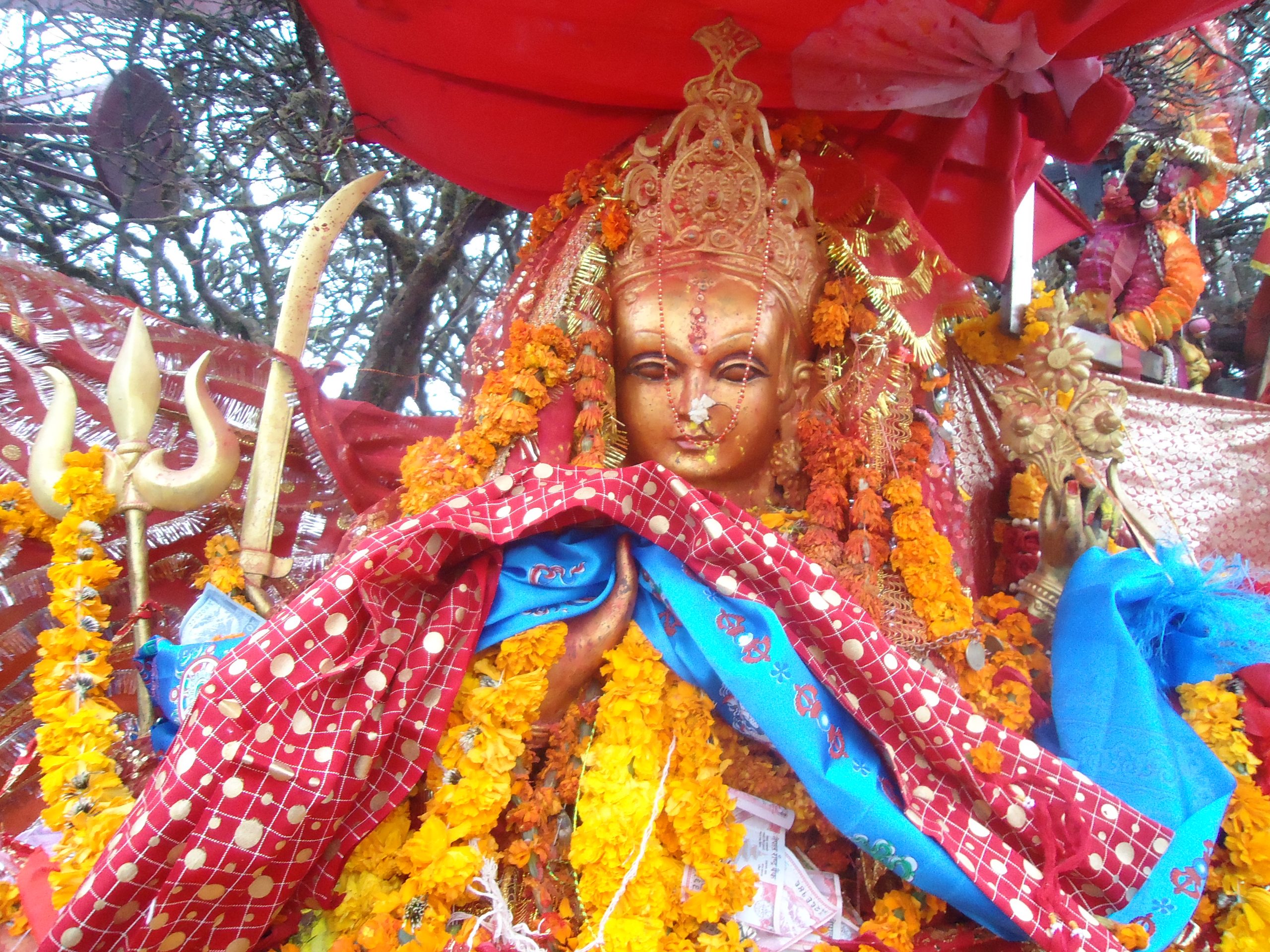
Hidden high in the eastern hills of Nepal, Pathivara Devi Temple is not just a religious site—it’s a journey that blends faith, adventure, culture, and raw Himalayan beauty. Located in Taplejung district at around 3,794 meters, Pathivara attracts thousands of pilgrims and travelers every year who come seeking blessings, meaning, and an unforgettable mountain experience.
Why Pathivara Is So Important to Nepal
Pathivara Devi is worshipped as a powerful form of Goddess Durga, symbolizing strength, protection, and fulfillment. Locals believe the goddess responds quickly to sincere prayers, which is why many visitors come after making a vow—and return once their wishes are fulfilled.
This strong belief has made Pathivara one of the most worshipped Shakti temples in Nepal, especially for people from eastern Nepal and neighboring parts of India.
A Journey That Feels Earned
What makes Pathivara unique is that the journey itself is part of the experience. Unlike temples that are easily accessible, reaching Pathivara involves winding mountain roads, forested trails, cold air, and steady climbs. For many travelers, this physical effort creates a deep emotional connection to the place.
Even non-religious tourists often say the journey feels peaceful, grounding, and powerful.
Why Tourists Love Visiting Pathivara
Pathivara appeals to more than just devotees. Travelers visit for:
-
Stunning views of snow-capped Himalayan peaks
-
Quiet trails through rhododendron forests
-
Authentic Limbu and eastern hill culture
-
A sense of remoteness rarely found on popular routes
For adventure travelers, Pathivara offers a mix of soft trekking, high-altitude travel, and cultural immersion—all in one trip.
How to Reach Pathivara (Roads & Accessibility)
Reaching Pathivara has become easier in recent years, making it more accessible for tourists.
Common Route:
-
Kathmandu or Bhadrapur → Taplejung (flight or long scenic drive)
-
Taplejung → Suketar or Kaflepati (jeep/road)
-
Final stretch → short trek or cable car
Roads up to Taplejung are mostly paved, while the upper sections are rough but manageable with 4WD vehicles. The Pathivara cable car is a game-changer for travelers who prefer comfort or are short on time, while trekkers can still enjoy the traditional walking route.
Best Time to Visit Pathivara
-
Spring (March–May): Clear skies, flowers in bloom
-
Autumn (September–November): Best weather and festival energy
-
Winter: Cold and challenging, but peaceful and rewarding
Monsoon months are less ideal due to rain and slippery trails.
Why Pathivara Feels Different
Many travelers say Pathivara doesn’t feel like a place you simply visit—it feels like a place you experience. The altitude, silence, devotion of pilgrims, and mountain air create an atmosphere that’s hard to describe but easy to feel.
Whether you come for faith, curiosity, or adventure, Pathivara leaves a lasting impression.
Final Thoughts for Travelers
Pathivara Darshan is a reminder that travel isn’t always about comfort or speed. Sometimes, the most meaningful journeys are the ones that ask a little more from you. In return, Pathivara offers serenity, perspective, and a deeper connection to Nepal’s spiritual and natural landscape.
sparkadventure.com
Etiam vitae leo et diam pellentesque porta. Sed eleifend ultricies risus, vel rutrum erat commodo ut. Praesent finibus congue euismod. Nullam scelerisque massa vel augue placerat, a tempor sem egestas. Curabitur placerat finibus lacus.
Related content
Interdum et malesuada fames