- Home
- About us
- Travel StyleHidden Gems & Pilgrimages

- Rental Services
- News
- Contact



Mad Honey Hunting in Nepal
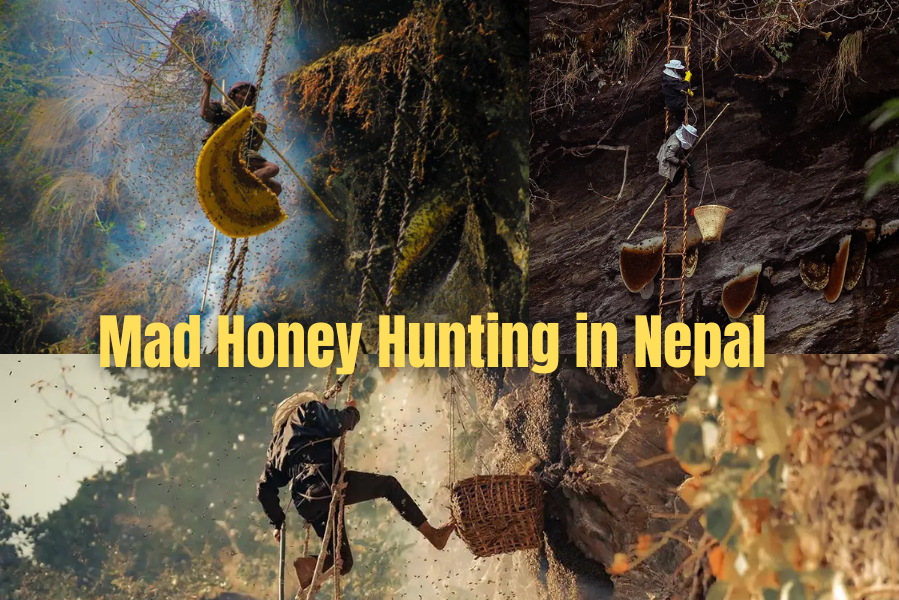
Mad Honey Hunting in Nepal – A Rare Himalayan Adventure Experience
High in the remote cliffs of the Himalayas, far beyond the usual trekking trails, exists one of the world’s most extraordinary traditions—Mad Honey Hunting in Nepal. This ancient, high-risk practice combines adrenaline, culture, and nature in a way few experiences on Earth can match.
For international travelers seeking something beyond Everest views and classic treks, honey hunting in Nepal offers a raw, authentic encounter with Himalayan life, where humans, bees, and cliffs meet in a dramatic ritual that has remained unchanged for centuries.
What is Mad Honey Hunting in Nepal?
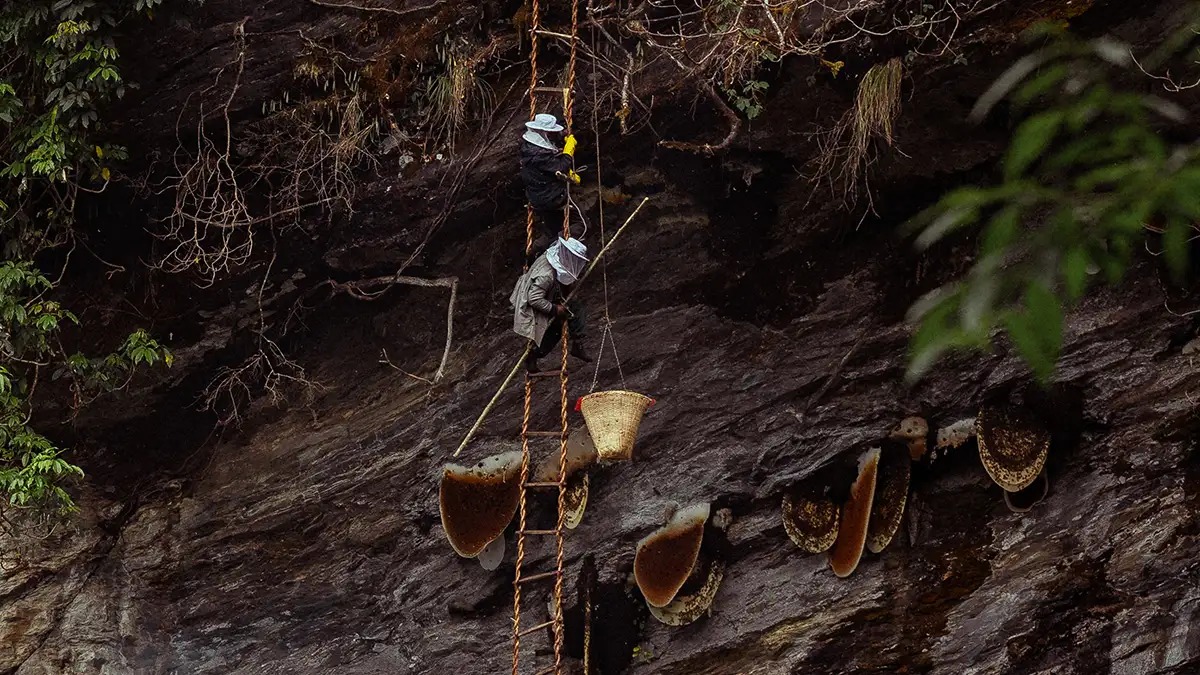
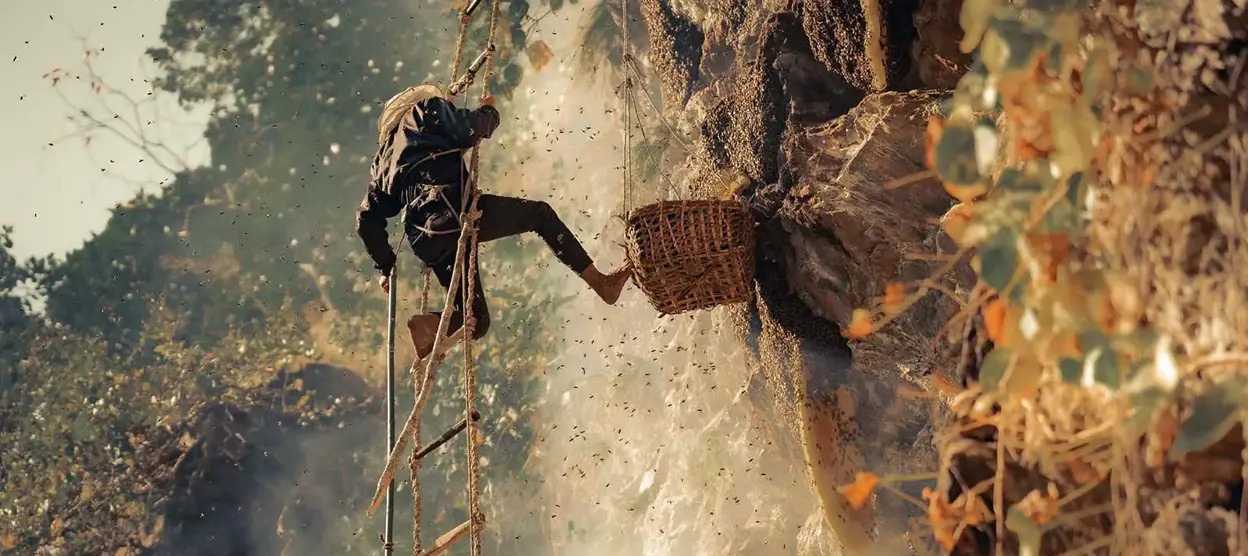
Mad honey hunting in Nepal is an ancient and daring tradition practiced in the remote Himalayan foothills. Passed down through generations, it is most closely associated with the indigenous Gurung people, who venture into steep cliffs and rugged terrains in search of wild honey. Using handmade bamboo ladders and simple rope systems, hunters descend vertical rock faces to reach massive beehives clinging to the cliffs, an act that requires immense skill, courage, and trust in tradition.
What makes this practice truly unique is the source of the honey itself. The hives belong to the world’s largest honeybee, the Apis dorsata laboriosa, which builds enormous combs high above the ground. These bees feed on rhododendron flowers, producing a rare variety of honey known as Mad Honey. This honey contains natural toxins called grayanotoxins, which give it mild hallucinogenic effects and have long been valued for traditional medicinal uses.
Mad honey hunting is not a commercial activity but a seasonal and communal event, typically taking place twice a year during spring and autumn. Before the hunt begins, rituals and offerings are performed to honor nature and seek protection, reflecting a deep spiritual connection between the hunters and their environment. The entire process, from preparation to harvest, is rooted in cultural identity and respect for the mountains.
Despite its cultural significance, mad honey hunting is also extremely dangerous. Hunters face risks from falls, aggressive bee swarms, and unpredictable weather conditions. Yet, for communities like the Gurung, it remains a vital tradition, one that embodies resilience, heritage, and a unique relationship with the natural world, while also drawing global attention as a rare and extraordinary Himalayan adventure experience.
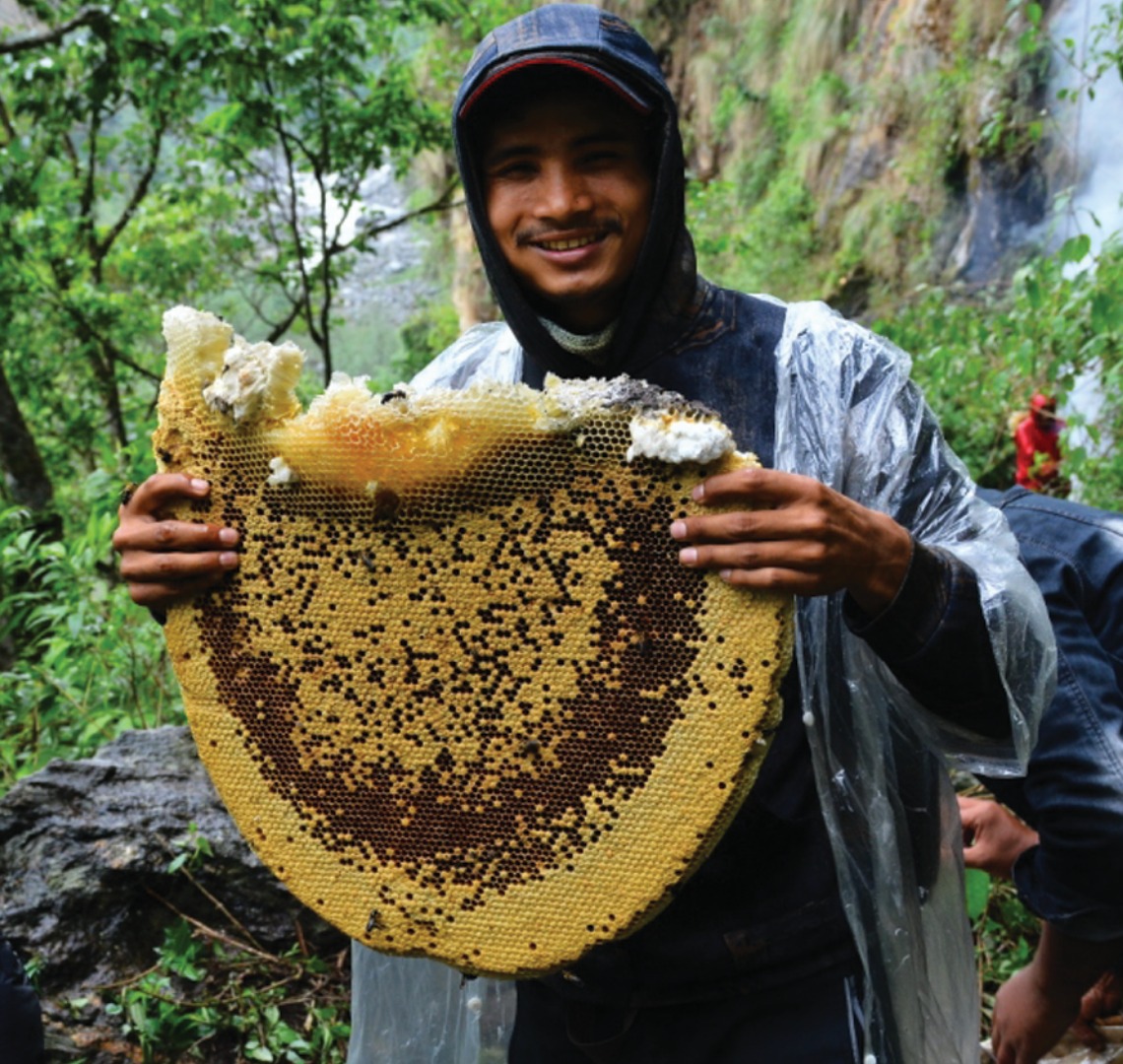
A man holding a mad honeycomb after a fresh harvest.
Why Mad Honey is Famous Worldwide
The global fascination with Mad Honey from Nepal lies in its rare origin, limited availability, and almost mythical reputation among travelers and wellness seekers. Unlike regular honey found across the world, mad honey is produced in high-altitude Himalayan regions where nature remains largely untouched. It is harvested from cliffs by the Apis dorsata laboriosa, making it one of the most unique natural products in the world.
1. Unique Himalayan Origin
Mad honey is deeply tied to Nepal’s rugged geography and biodiversity. The combination of altitude, climate, and flora creates conditions that cannot be replicated elsewhere.
Key highlights:
- Found only in specific Himalayan regions of Nepal
- Produced in remote cliffs and forest ecosystems
- Strong connection to untouched natural environments
- Often associated with off-the-beaten-path travel experiences
This exclusivity makes keywords like mad honey Nepal and Himalayan honey experience highly searched by international travelers.
2. Natural Hallucinogenic Properties
One of the main reasons for global curiosity is its psychoactive effect. The honey contains grayanotoxins derived from rhododendron nectar, which influence the human nervous system when consumed in small quantities.
What makes it unique:
- Mild hallucinogenic effects in controlled doses
- Creates a sense of relaxation and altered awareness
- Considered both a cultural and experiential product
- Increasingly popular among adventure and curiosity-driven travelers
This has driven global interest in terms like hallucinogenic honey and mad honey effects.
3. Traditional Healing and Medicinal Value
For centuries, communities such as the Gurung people have used mad honey as part of their traditional medicine practices. Its value goes beyond recreation and is rooted in indigenous knowledge systems.
Common traditional uses:
- Believed to help regulate blood pressure
- Used for digestive health and energy
- Consumed in small doses for therapeutic benefits
- Valued as a natural alternative remedy
This blend of wellness and tradition attracts travelers interested in holistic and cultural experiences.
4. Rare and Seasonal Availability
Mad honey is not produced year-round, which adds to its exclusivity and global demand. Harvesting depends on specific flowering seasons and weather conditions.
Why is it rare:
- Harvested only twice a year, typically in spring and autumn
- Limited supply due to difficult harvesting conditions
- Requires skilled hunters and traditional methods
- Increasing global demand with restricted availability
Its rarity has elevated it into a premium niche product in international markets.
5. The Adventure Behind Mad Honey Hunting
For many, the real appeal is not just the honey but the experience itself. Mad honey hunting tours in Nepal offer a rare opportunity to witness an ancient tradition in action.
What travelers experience:
- Watching hunters descend vertical cliffs using rope ladders
- Participating in culturally significant rituals
- Exploring remote Himalayan villages
- Combining adventure travel with cultural immersion
This transforms mad honey from a product into a story-driven experience, making it highly attractive for experiential tourism.
6. Global Curiosity and Media Attention
Mad honey has gained international attention through documentaries, travel blogs, and social media, further fueling its fame.
Why it stands out globally:
- Featured in international travel and adventure content
- Shared widely across digital platforms
- Appeals to niche segments like thrill-seekers and wellness travelers
- Positioned as a once-in-a-lifetime Himalayan experience
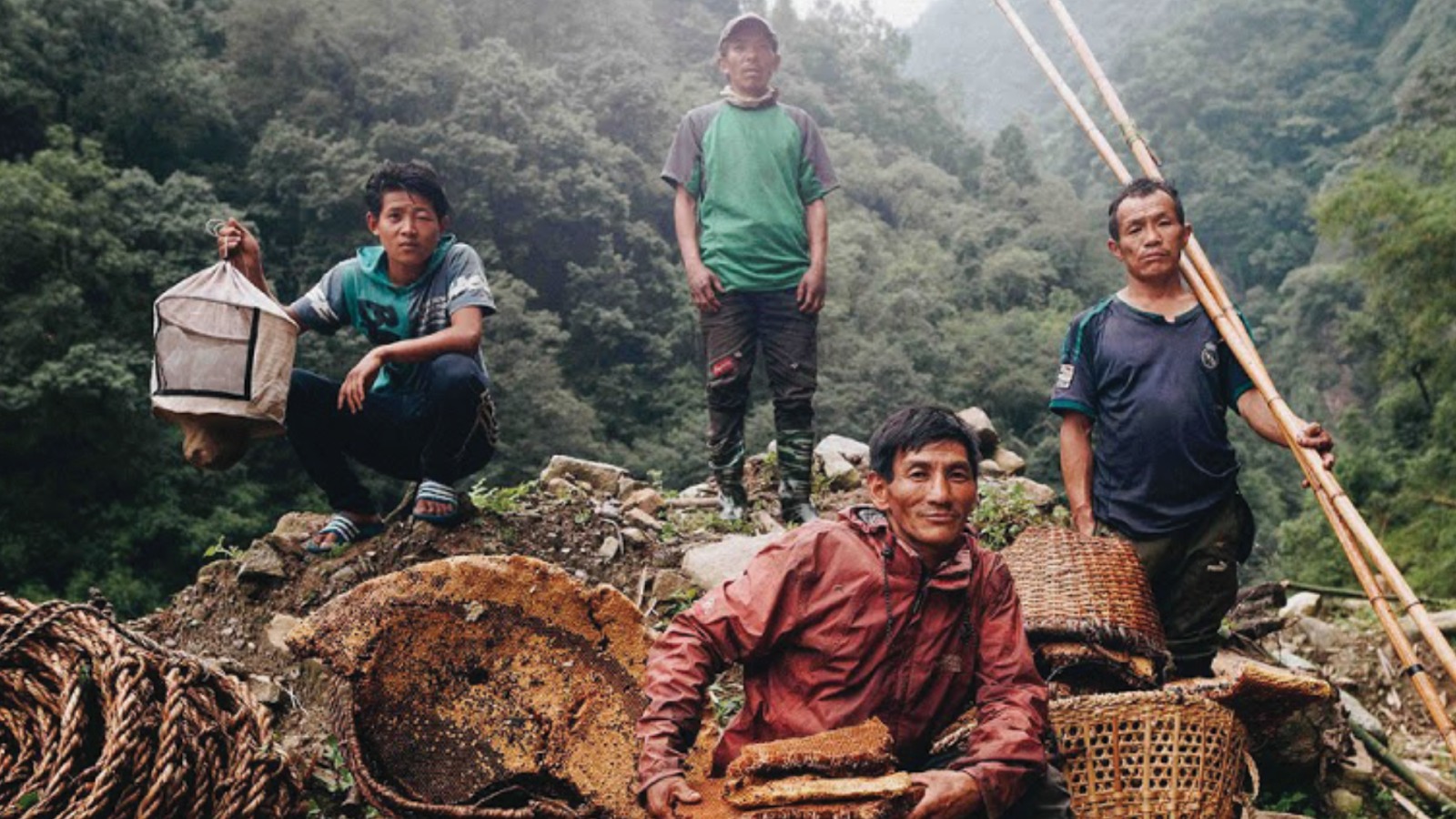
A group of hunters after a mad honey harvest.
Wild Honey Hunting Preparation in Nepal
The tradition of mad honey hunting in Nepal is an ancient Himalayan practice that has evolved from a subsistence activity into a unique cultural tourism experience. In regions such as Lamjung, Kaski, Gorkha, and the Annapurna foothills, local communities continue to preserve this heritage while also welcoming responsible travelers to witness it.
Site Selection for Honey Hunting
Experienced hunters identify cliffs by observing seasonal bee movement and flowering cycles, especially during rhododendron bloom periods. Hives are assessed based on size, activity, and visible honey flow. Only mature and safe-to-access sites are selected for harvesting.
Choosing the Right Time
The start of honey hunting in Nepal is often guided by traditional calendars and decisions made by village elders or spiritual leaders. These culturally significant timings are believed to ensure safety, success, and harmony with nature.
Tools and Preparation
The hunting team works collectively, using handmade tools such as:
- Bamboo rope ladders
- Traditional baskets
- Cutting hooks and long poles
- Natural fiber ropes
Each member has a defined role, ensuring coordination during this high-risk activity.
Harvesting Process
Hunters descend steep cliffs using rope ladders, often with minimal protective gear. Before harvesting begins, rituals and offerings are performed to seek blessings from forest deities.
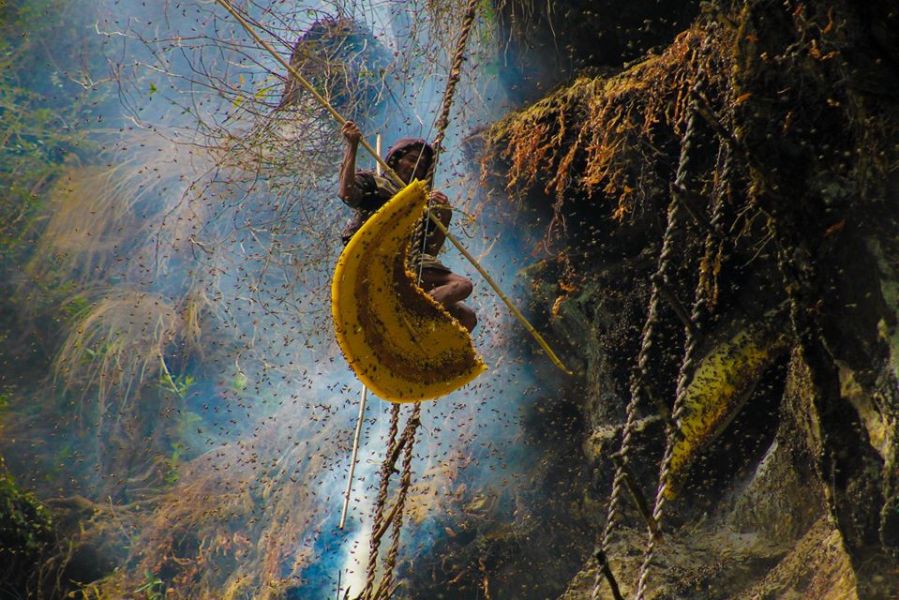
To calm the bees, smoke is created using dry leaves and vegetation. The climber then carefully cuts the honeycomb and collects it in a basket suspended below. The process is repeated until harvesting is complete.
This dramatic process is the highlight of mad honey hunting in Nepal experiences for travelers.
Post-Harvest Practice
After collection, honey is filtered to remove wax and impurities. It is then shared among hunters, villagers, and visitors. The communal distribution reflects the strong social structure behind this tradition.
Key Challenges
1. Difficult Terrain
Hives are located on steep cliffs near rivers and forests, making access extremely dangerous.
2. Physical Demands
Climbers require exceptional strength and balance to work on unstable bamboo ladders at height.
3. Bee Stings
Despite smoke protection, hunters face frequent stings due to minimal safety gear.
4. Environmental Concerns
Climate change, pesticide use, and reduced wildflower growth are affecting bee populations and honey yield.
Sustainability Efforts
To protect this heritage, communities are increasingly adopting eco-tourism and sustainable harvesting practices, ensuring that honey hunting in Nepal remains viable for future generations while supporting local livelihoods.
Mad Honey: Uses, Effects & Caution
Mad Honey from Nepal has long been valued not only for its rarity but also for its traditional medicinal uses and unique physiological effects. Harvested from the cliffs by the Apis dorsata laboriosa, this wild honey contains natural compounds that influence the human body in both beneficial and potentially harmful ways. For centuries, indigenous communities have treated it as a powerful natural remedy, but always with caution and respect for its potency.
Traditional Uses of Mad Honey
In remote Himalayan regions, mad honey has been used in small, controlled quantities as part of traditional healing practices. Communities such as the Gurung people rely on generations of knowledge to guide its use.
Common traditional uses include:
- Treating high blood pressure
- Supporting immunity and overall wellness
- Enhancing vitality and energy
- Relieving abdominal pain and digestive issues
- Managing conditions like hypertension and diabetes
- Used as a natural remedy for cold, viral infections, and fatigue
Typically, the recommended traditional intake ranges from 5 to 30 grams, often around half a tablespoon. In such small doses, mad honey is believed to act as a natural medicine and general health booster.
Psychoactive Effects of Mad Honey
Mad honey is often referred to as “red honey” due to its distinct color and effects. These effects come from grayanotoxins found in rhododendron nectar, which impact the nervous system.
In controlled amounts, users may experience:
- Mild euphoria or relaxation
- A warming sensation in the body
- Altered perception and light hallucinations
- A calming or sedative-like effect
These properties have contributed to its global reputation as a rare and intriguing natural substance, especially among travelers seeking unique experiences in Nepal.
Side Effects and Health Risks
Despite its benefits, mad honey must be consumed with extreme caution. The same compounds that provide therapeutic effects can become toxic when taken in excess.
Possible side effects of overconsumption include:
- Dizziness and weakness
- Excessive sweating
- Nausea, vomiting, and diarrhoea
- Blurred vision and visual hallucinations
- Hypotension (low blood pressure)
- Bradycardia (slow heart rate)
There are real accounts from local hunters who experienced severe reactions after consuming large amounts, including temporary inability to walk for extended periods. This highlights the importance of proper dosage and awareness.
Responsible Consumption and Caution
Mad honey is not an everyday food product. It is a potent natural substance that should be approached with care.
Important guidelines:
- Always consume in small, controlled quantities
- Avoid self-experimentation without proper guidance
- Not recommended for individuals with heart conditions or low blood pressure
- Travelers should only try it under expert supervision during guided experiences
Mad honey remains one of Nepal’s most fascinating natural products, blending tradition, medicine, and mystery. While its benefits are deeply rooted in local knowledge, its risks are equally real. For those exploring mad honey hunting in Nepal, understanding both its uses and effects is essential to fully appreciate this rare Himalayan experience in a safe and informed way.
The Experience: What to Expect on a Honey Hunting Tour
A mad honey hunting tour in Nepal is not a typical sightseeing trip—it’s an expedition into remote mountain life.
Your journey may include:
- Trekking through traditional villages and terraced landscapes
- Living with local communities like the Gurung
- Watching honey hunters prepare rituals before the climb
- Witnessing the dramatic descent down vertical cliffs
- Observing the harvesting process amid swarms of wild bees
The moment when a hunter hangs mid-air, cutting honeycombs while thousands of bees swarm around, is both intense and unforgettable.
Top Locations for Mad Honey Hunting in Nepal
International travelers can witness authentic honey hunting experiences in several regions:
1. Lamjung & Bhujung Village
The most popular destination for mad honey hunting in Nepal, offering accessibility and well-organized experiences.
2. Annapurna Region
Combine honey hunting with trekking in one of Nepal’s most scenic regions.
3. Dhaulagiri Region
A more remote and off-the-beaten-path experience for serious adventurers.
4. Gorkha & Dhading
Emerging destinations with fewer tourists and strong cultural authenticity. Each region offers a different level of remoteness, cultural immersion, and adventure.
Best Time for Mad Honey Hunting in Nepal
Timing your trip correctly is essential to witness live honey hunting.
Ideal seasons:
- Spring (April – May) → Main harvesting season
- Autumn (October – November) → Secondary harvest
These months offer:
- Active honey hunting events
- Clear Himalayan views
- Comfortable trekking conditions
Cultural Significance of Honey Hunting
For the Gurung community, honey hunting is more than survival—it is heritage.
- Rituals and prayers are performed before harvesting
- Skills are passed down through generations
- It reflects a deep respect for nature and balance
For international visitors, this creates a powerful opportunity for cultural immersion and meaningful travel, going far beyond typical tourism.
Sustainability & Responsible Tourism
As global interest in mad honey hunting in Nepal grows, sustainability becomes crucial.
Responsible travel helps:
- Preserve indigenous traditions
- Protect bee populations and ecosystems
- Support local economies
Ethical tour operators ensure that honey hunting is observed respectfully, without exploitation or environmental harm.
Mad Honey Hunting Tour Packages for International Travelers
Most honey hunting tours in Nepal are curated experiences ranging from 5 to 12 days, depending on the location and trekking combination.
Typical inclusions:
- Airport transfers and accommodation
- Guided treks and local experts
- Cultural experiences in villages
- Honey hunting observation
- Meals and logistics
These tours are often combined with:
- Annapurna trekking
- Cultural tours in Kathmandu & Pokhara
- Adventure activities like rafting
Why International Travelers Choose This Experience
- One of the rarest cultural adventures in the world
- A chance to go beyond mainstream tourism
- Unique blend of adventure, anthropology, and nature
- Authentic interaction with Himalayan communities
For many, mad honey hunting in Nepal becomes the highlight of their entire journey.
Travel Tips for International Visitors
- Book with experienced, ethical operators
- Prepare for moderate trekking conditions
- Carry proper gear for remote travel
- Respect local customs and traditions
- Avoid consuming mad honey without guidance
Conclusion: A Journey Beyond the Ordinary
In a world where travel is becoming increasingly predictable, Mad Honey Hunting in Nepal stands out as something truly rare.
It’s not just about witnessing a dangerous harvest—it’s about understanding a way of life, connecting with nature, and experiencing the Himalayas in their most raw and authentic form. For international travelers seeking a story worth telling, this is more than a trip—it’s a once-in-a-lifetime Himalayan adventure.
Frequently Asked Questions
1. What is Mad Honey Hunting in Nepal?
Mad Honey Hunting in Nepal is an ancient Himalayan tradition where local hunters climb steep cliffs to collect wild honey from giant bee hives, mainly practiced by the Gurung community in regions like Lamjung and Annapurna.
2. Where can I see honey hunting in Nepal?
The best places to witness honey hunting in Nepal include Bhujung (Lamjung), the Annapurna region, Gorkha, and parts of Dhading and Dhaulagiri, where traditional cliff harvesting is still practiced.
3. When is the best time for Mad Honey Hunting in Nepal?
The ideal seasons are spring (April–May) and autumn (October–November), when honey harvesting takes place, and weather conditions are favorable for trekking and village visits.
4. Is Mad Honey safe to consume?
Mad honey should be consumed in very small, controlled amounts only. It contains natural compounds that may cause dizziness or hallucinogenic effects if overused, so it must be taken with caution.
5. Can tourists participate in honey hunting in Nepal?
Tourists generally observe rather than participate in the actual cliff climbing due to safety risks. However, they can fully experience rituals, village life, and the harvesting process through guided tours.
6. How long is a Mad Honey Hunting tour in Nepal?
Most mad honey hunting tours in Nepal range from 5 to 12 days, often combined with trekking, cultural homestays, and sightseeing in Kathmandu, Pokhara, or the Annapurna region.
7. Is mad honey hunting in Nepal suitable for all travelers?
Yes, as long as you are comfortable with moderate trekking and remote conditions.
8. Can I taste mad honey during the tour?
In some tours, yes—but always in controlled, safe quantities.
9. Do I need prior trekking experience?
Not necessarily, but basic fitness is recommended.
9. How do I book a honey hunting tour in Nepal?
You can book a fully guided tour through Spark Adventure, offering curated cultural adventure packages.
Spark Adventure also provides various types of Nepal trekking tours to the 10 best adventure activities of Nepal.
Related content
Interdum et malesuada fames